Things to Do in Lusaka in October
October weather, activities, events & insider tips
Low Season · Budget Friendly
October Weather in Lusaka
Long-run averages for October
88°F (31°C)
High Temp
64°F (18°C)
Low Temp
0.4 inches (10 mm)
Rainfall
40%
Humidity
12
Sunny-Day UV
⚠ October marks the transition into Zambia's malaria season as the first light rains create mosquito breeding habitat. Prophylaxis is strongly recommended. All visitors need it. Regardless of itinerary.
⚠ Controlled bush fires in areas surrounding Lusaka produce visible haze and smoke on some October days. This temporarily reduces air quality and visibility. Travelers with asthma or respiratory conditions should carry medication. Monitor conditions closely. Pack your inhaler.
⚠ The UV at Lusaka's 1,280 m (4,199 ft) plateau elevation is intense in October's clear skies. Sunburn can occur in under 30 minutes of unprotected midday exposure. This happens even on overcast-looking days. Thin cloud diffuses rather than blocks radiation. Wear sunscreen. Reapply often.
Making the most of October in Lusaka? Browse tours and activities in Lusaka on GetYourGuide.
Is October Right for You?
Weigh the advantages and considerations before booking
Advantages
- + October sits at the dry tail of Lusaka's winter, which means the city's red laterite roads aren't yet churned into the copper-coloured mud that defines the wet season. You can walk the outdoor markets, explore Lusaka National Park, and eat outside at night without a single downpour ruining your evening. The 0.4 inches (10 mm) of rain for the whole month is negligible. Most of it falls in one or two brief afternoon bursts that barely wet the dust.
- + Zambia Independence Day on October 24th turns Lusaka into a genuine celebration rather than a tourist performance. The parades along Independence Avenue, the drumming circles in the compounds, and the braai smoke drifting from every other yard give you a window into how Zambians mark their national story. Not a curated spectacle. A city letting loose.
- + Wildlife viewing in the national parks within striking distance of Lusaka, Kafue to the west, Lower Zambezi to the southeast, peaks right now because waterholes have shrunk to their smallest, concentrating elephant herds, buffalo, and antelope around the remaining pools. October is the month safari guides in Zambia wait for all year.
- + Accommodation rates haven't yet climbed to the November-through-March wet-season safari premium that some lodges charge, and Lusaka's guesthouses and mid-range hotels tend to offer better value in October than during the packed August school-holiday period. You're in a pricing sweet spot between the southern African winter rush and the rains.
Considerations
- − The heat is not abstract. By early afternoon Lusaka's concrete and tin rooftops radiate stored warmth back at you, and the 31°C (88°F) average high undersells the felt temperature on treeless stretches of Cairo Road or Great East Road. The low humidity keeps sweat from pooling. But it also dries your throat and sinuses faster than you'd expect at 1,280 m (4,199 ft) elevation. Carry water everywhere. Dehydration creeps up quietly here.
- − Dust defines October Lusaka. Eight months without meaningful rain leaves the unpaved roads in compounds like Kalingalinga and Mtendere coated in fine reddish powder that coats your shoes, sticks to sunscreen, and turns white clothing terra cotta by sundown. If you have respiratory sensitivities, the particulate load is noticeably higher than any other season.
- − October's heat strips the surrounding bush brown and skeletal. If your image of Zambia is lush green savannah, you'll need to wait until December. The landscape between Lusaka and the parks looks harsh, cracked earth, leafless msasa trees, grass burned to stubble by controlled fires. It's honest Africa. It shocks visitors who expected a postcard.
Settled on October? Compare hotel prices in Lusaka for your dates on Trip.com.
Best Activities in October
Top things to do during your visit
October catches Lusaka at the seam between dry season and the first rains. The city feels it in every breath. Daytime temperatures push toward 31°C. The air carries a papery dryness at around 40 percent humidity. The red laterite soil along Cairo Road and the Great East Road has been baking since June. Rainfall averages a scant 10 millimeters for the entire month. Most days dawn cloudless. The sun turns fierce and white by mid-morning. Jacaranda trees along Independence Avenue are already flushing purple, weeks ahead of the November bloom that will carpet the sidewalks. The smell of wood smoke from charcoal braziers drifts through residential compounds. Vendors set up breakfast nshima stations in the cool of early morning. For visitors arriving this month, the practical upside is significant. Roads to surrounding parks and villages remain passable. Outdoor activities proceed without the mud and flooding that define December through March. The relatively low humidity makes walking the city far more comfortable than the sticky months of January and February. What makes Lusaka worth visiting right now, rather than simply passing through on the way to Victoria Falls or South Luangwa, is the chance to encounter the capital on its own terms. Lusaka is a city that feeds you before it explains itself. The copper-roofed stalls at Soweto Market overflow with dried kapenta fish, stacked pyramids of tomatoes, and bundles of pumpkin leaves sold by women who will tell you exactly how to prepare them if you ask. Restaurants in the Kabulonga and Woodlands neighborhoods serve bream pulled from the Kafue River, grilled over mopane coals until the skin crackles and the flesh beneath is white and flaky. Nightlife concentrates along Addis Ababa Drive and in spots near the Arcades Shopping Centre, where open-air bars pour cold Mosi lager and music spills out past midnight. The city is safe to walk in commercial areas during daylight. After dark, most residents and visitors rely on taxis or ride-hailing apps. For families wondering what Lusaka offers children in October, the answer is found outside the city center: cultural villages, wildlife encounters, and cooking experiences that let kids participate rather than spectate. The city moves at its working rhythm, unhurried and accessible.

Tour through the gorgeous city of Lusaka
guided_experienceA guided tour through Lusaka on foot or by vehicle strips away the windshield impression of a large, traffic-choked capital. It replaces that impression with the layered detail the city holds. You move from the angular concrete of the National Assembly building through the shade of the Cathedral of the Holy Cross, where the interior light filters blue and gold through stained glass. Then you enter the open-air roar of Soweto Market, where the smell of dried fish and ground chili hits you three stalls before you see the source. The guide contextualizes what you are walking past: which colonial buildings predate independence, why certain neighborhoods developed along the railway line, and where the city is expanding south toward Kafue.
The only way to read the city as a coherent story rather than a series of disconnected stops along Great East Road.
Insider tip: Request a morning departure before 08:00 to hit Soweto Market when vendors are still unloading fresh produce and the aisles are navigable. By 10:00 the crowds and the heat make lingering difficult.
This month: October's dry heat and low rainfall mean the walking portions of the tour are dusty but uninterrupted by the downpours that can halt outdoor itineraries from November onward.

Road Transfer Lusaka to Livingstone
otherThe road transfer from Lusaka to Livingstone covers roughly 470 kilometers of the T3 highway. It cuts south through flat bush country where baobabs stand like inverted root systems against the sky. The drive takes about six hours. The landscape shifts gradually from Lusaka's peri-urban sprawl through miombo woodland, past Mazabuka's sugar estates where the air turns sweet and vegetal, and finally into the drier, hotter lowlands near Livingstone. There you can sometimes smell the mist from Victoria Falls before you see the town. A private transfer means air-conditioned comfort, scheduled stops at roadside markets selling roasted maize and honey, and a driver who knows which fuel stations are reliable.
The overland route between Lusaka and Livingstone is itself a cross-section of Zambian geography, and a private transfer lets you stop when the landscape demands it.
Insider tip: Ask the driver to pause at the Mazabuka market for fresh sugarcane juice, pressed on the spot into a plastic cup, and at the Kafue Bridge for a view of the river before it enters the national park downstream.

Zambian Food Cooking Class in Lusaka
foodThis cooking class pulls you into a Lusaka kitchen where nshima is not a curiosity but a staple built from muscle memory. You learn to stir the thick maize porridge in a cast-iron pot until it pulls away from the sides in a single mass. The steam carries a warm, starchy sweetness that fills the room. Alongside nshima, the class covers ifisashi, a peanut-and-greens dish whose sauce thickens to a rich, rust-colored paste, and grilled village chicken rubbed with garlic and lemon. You eat what you cook, seated with the instructor. The meal is a genuine introduction to how Lusaka feeds itself beyond the restaurant menus tourists typically encounter.
The fastest route from visitor to participant in Lusaka's food culture, taught by someone who learned these dishes from family, not a curriculum.
Insider tip: Wear clothes you do not mind getting splattered. Pounding groundnuts for ifisashi paste sends fragments in every direction, and the nshima pot spits when you stir at the wrong angle.

Mulube Cultural Adventure, Real Zambia Experience Near Lusaka
guided_experienceThe Mulube Cultural Adventure operates outside Lusaka in a rural community setting where the red dirt paths between thatched rondavels are swept clean each morning and chickens scratch at the edges of the compound. This is not a staged performance. You join village routines that include grinding maize on a stone mill, the gritty rasp of grain against granite audible from across the yard, and learning a few phrases of Nyanja or Bemba from residents who find your pronunciation entertaining. Drumming sessions use hand-carved instruments whose goatskin heads produce a low, resonant thud you feel in your sternum. The experience is structured enough to be coherent but loose enough to feel like an actual visit rather than a show.
A genuine encounter with rural Zambian life within easy reach of Lusaka, led by community members who live there year-round.
Insider tip: Bring a small gift for the host family, such as fresh fruit, cooking oil, or sugar purchased at a Lusaka supermarket on your way out of the city. It is customary and appreciated far more than cash tips.
This month: October's dry conditions keep the unpaved access roads firm and easy to navigate, unlike the rainy months when the same roads can become impassable.

Zambian Traditional Wedding Private Half-Day Guided Tour
guided_experienceThis half-day guided tour takes you inside the rituals of a traditional Zambian wedding ceremony, from the negotiations of the lobola discussions to the rhythmic ululation and dancing that follows the formal proceedings. You observe and participate in elements that most visitors to Lusaka never encounter: the presentation of gifts wrapped in chitenge cloth, the call-and-response songs sung by women whose voices overlap in tight, percussive harmonies, and the cooking of ceremonial dishes whose aromas of slow-simmered goat and roasted groundnuts saturate the gathering space. The guide translates not just the language but the social codes, explaining which gestures signal respect, humor, or gentle teasing of the groom's family.
An intimate window into Zambian social architecture that no museum or city tour can replicate.
Insider tip: Wear or carry a chitenge, the printed cotton wrap fabric sold at every Lusaka market for a modest outlay. Arriving in one signals respect and will earn you warmer welcomes from the wedding party.

Kanzwa short holiday break -2 Nights Safari Kafue National Park
otherKafue National Park sprawls across 22,400 square kilometers west of Lusaka, making it one of the largest national parks in Africa and one of the least visited relative to its size. This two-night safari break puts you in the park's northern sector, where October's dry conditions concentrate wildlife around shrinking waterholes and the Kafue River itself. You will hear hippos grunting from the shallows at dusk, a guttural, rolling sound that carries across still water. The dry bush crackles underfoot on walking safaris where puku antelope watch you from thirty meters with an alertness that never quite tips into flight. Night drives reveal genet cats frozen in the spotlight beam, their spotted coats sharp against the grey scrub. The accommodation is bush camp standard, meaning open-sided chalets where the sounds of the African night come in unfiltered.
Kafue delivers a safari density that rivals South Luangwa at a fraction of the visitor pressure, reachable from Lusaka in under three hours.
Insider tip: Pack a windbreaker despite the daytime heat. Early morning game drives start before dawn when temperatures hover near 18°C, and the open vehicle moving at speed turns that into a genuine chill against bare arms.
This month: October sits at the end of the dry season before November's rains transform the park. Water sources are at their lowest, which forces elephant herds, buffalo, and predators into tighter corridors along the Kafue River, making sightings more concentrated than at any other time of year.
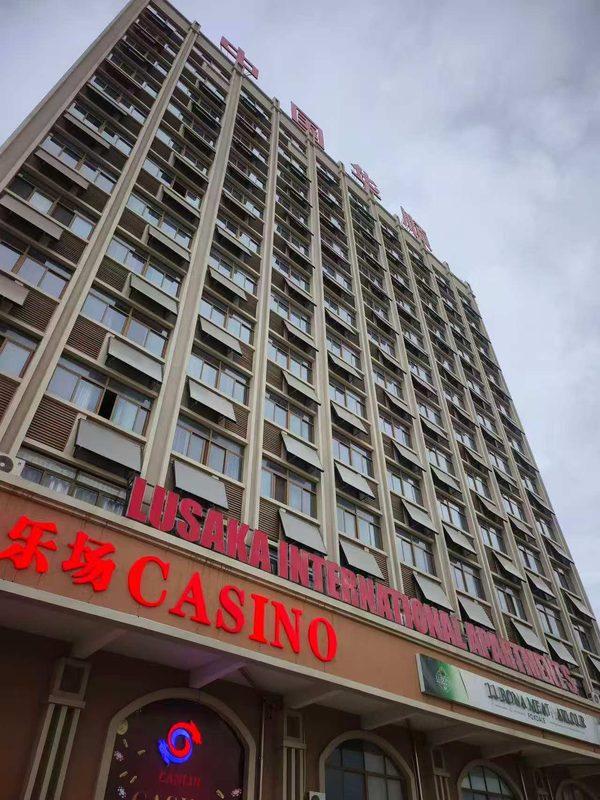
Where to Stay in Lusaka in October
Hand-picked hotels across price tiers for October travellers.
Public Holidays in October
Dates that affect opening hours, transport and crowds
National Day of Prayer
Observed nationwide as a public holiday.
Independence Day
Observed nationwide as a public holiday.
National Day of Prayer
Observed nationwide as a public holiday.
Independence Day
Observed nationwide as a public holiday.
National Day of Prayer
Observed nationwide as a public holiday.
Independence Day
Observed nationwide as a public holiday.
Packing Checklist
Bookmark this page — your progress is saved between visits
Need the full list with shopping links?
Climate-specific gear, brand recommendations, and what to leave at home.
View Lusaka Packing List →Essential Tips
Insider knowledge and common pitfalls to avoid
Insider Knowledge
Lusaka's compound markets, Soweto Market, City Market, Kamwala, are where the city feeds itself, and October's pre-rain scarcity means the seasonal produce shifts noticeably. You'll find dried kapenta and matemba (small dried fish) in huge silver piles, dried vegetables called lumanda that reconstitute into surprisingly good relishes, and the last of the dry-season mangoes. The smell is intense: dried fish, woodsmoke, and the particular musty sweetness of mealie meal sold from open sacks. Go before 8 AM when the selection is fullest and the heat hasn't yet made standing in an un-roofed market feel punitive.
Lusaka's nightlife concentrates along a strip that includes the Manda Hill and Levy Junction areas. But the real energy in October comes from the outdoor spots, rooftop bars and open-air venues where the dry evening air makes sitting outside until midnight comfortable rather than the soggy ordeal it becomes in January. Thursday nights tend to run hotter than Fridays in Lusaka, which catches visitors off guard. Ask your accommodation where 'the Thursday spot' is that week. It rotates.
Safety in Lusaka is mostly about street awareness rather than systemic danger. The city centre empties after dark and the unlit stretches along Cairo Road are best avoided on foot after 8 PM, so use a ride-hailing app instead. Petty theft peaks in crowded market areas, Kamwala, where the press of bodies gives cover. Keep your phone in a front pocket. Leave flashy jewellery at your accommodation. You'll likely have zero issues. Zambians are overwhelmingly warm toward visitors, and a greeting in Nyanja, 'Muli bwanji' (how are you), opens doors that English alone doesn't.
If you're in Lusaka over a weekend, the drive south to Lilayi Elephant Nursery takes about 30 minutes and offers something the bigger parks can't: proximity to orphaned baby elephants being rehabilitated for release. October mornings there are golden-lit and quiet, with the calves being walked through the bush by their keepers. It's a conservation project rather than a zoo, and the emotional impact of watching a six-month-old elephant learn to use its trunk is hard to overstate. Arrive when the gates open. Avoid the midday heat.
Avoid These Mistakes
Underestimating Lusaka's spread. The city doesn't have a compact walkable centre. It sprawls across a plateau, and what looks like a short distance on a map can mean a 40-minute drive through traffic on Great East Road or Kafue Road. Visitors who plan to 'walk between attractions' end up sunburnt and exhausted on a dusty shoulder with no pavement. Budget for taxis or ride-hailing for anything beyond your immediate neighbourhood.
Skipping malaria prophylaxis because Lusaka 'feels urban.' The city sits at 1,280 m (4,199 ft), which reduces but does not eliminate mosquito-borne risk. October's first scattered rains create exactly the standing-water conditions mosquitoes need. Consult a travel health clinic before departure. Start your prophylaxis on schedule. This is not optional caution. It is baseline responsible travel in Zambia.
Packing for safari but not for Lusaka itself. Visitors who treat the capital as a transit hub between the airport and Kafue or Lower Zambezi miss the city entirely. Lusaka's food scene rewards at least two full days. The smoky nshima-and-chicken joints in Kabwata. The Indian restaurants along Addis Ababa Drive that have been feeding the city for decades. The newer pan-African kitchens near Kabulonga. Eat your way through it. If you only see the inside of a transfer vehicle, you've missed the capital of a country of 20 million people.
Short on time? See day trips around Lusaka on GetYourGuide.
Ready to plan your trip to Lusaka?
Now that you've got the research covered, here's where to go next.
Explore More Activities in Lusaka
Didn't see anything interesting yet?
Browse Viator's full catalog of tours, day trips, food experiences, and private guides in Lusaka.
See All Lusaka Tours on Viator